Table of Contents
Why Original Thinking Matters in Art and School Projects
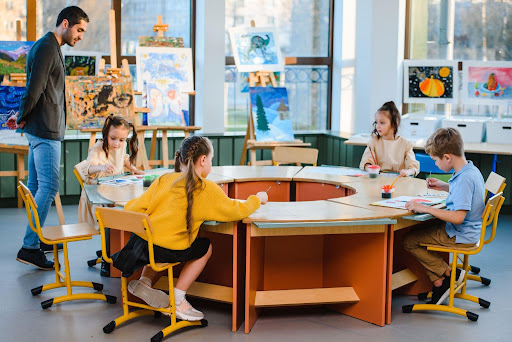
A classroom full of students can produce twenty completely different answers to the same assignment. One student might spend hours choosing the right colors for a painting, while another prefers to work with old magazines, cardboard, and whatever materials they can find at home. Neither approach is wrong. In fact, the difference is what makes creative work interesting.
Original thinking matters because it gives students room to make their own choices. Instead of following instructions without questioning them, they learn to look at a subject from different angles. That skill is useful in art, but it also makes research, presentations, and everyday schoolwork more meaningful.
A Personal Touch Can Change an Entire Art Project
Think about a school assignment that asks students to draw a picture of their hometown. Most people might start with familiar buildings, streets, or local landmarks. However, someone who has recently moved to the area might focus on something completely different, such as the feeling of being new in an unfamiliar place.
The subject is the same, but the result tells another story.
Personal experiences often become the most interesting part of creative work. A student who loves music might represent emotions through rhythm and color. Someone who enjoys photography could build an art project around ordinary moments that people usually overlook.
There is no need to invent an entirely new art form to create something original. Sometimes, a small personal detail makes all the difference.
Why Trying Something Unfamiliar Is Worth It
Students often choose the safest option when working on creative assignments. They know what looks good, understand which techniques they can handle, and want to avoid making mistakes before the deadline.
That approach is understandable, but it can also limit creativity.
Imagine a student who always draws with pencils. For the next assignment, they decide to use fabric, newspaper, and acrylic paint. The first attempt looks messy, and the materials do not behave as expected. After a few changes, however, the student creates a textured picture that would have been impossible with pencils alone.
Experiments do not always produce beautiful results. Still, they teach students to make decisions and adjust their ideas.
Before settling on one concept, it can help to:
- sketch two or three different versions of the same idea;
- use materials that would not normally go together;
- change the colors or perspective of a familiar subject;
- ask someone else what they notice first in the artwork.
Even a short experiment can take a project in an unexpected direction.
Original Thinking Is Useful Outside Art Class
Creative thinking is sometimes treated as a talent that belongs mainly to artists. School assignments show otherwise. Science, history, literature, and even mathematics leave room for independent ideas.
Take a science project about saving electricity. A student could easily prepare several slides explaining why energy conservation matters. But what if they checked which lights in their school stay on after lessons?
They could record their observations for several days and suggest a simple change to the school’s routine. Suddenly, the assignment becomes more than a collection of facts. It includes a real observation and a possible solution.
The same idea works for other subjects. A history student might compare old photographs of their town with recent street views. Someone studying literature could connect a character’s decisions with situations teenagers face today.
These approaches make familiar topics easier to remember because students have something personal to connect them with.
Inspiration Is Helpful, but Copying Has Its Limits
Nobody develops ideas completely on their own. Students look at examples, read articles, watch tutorials, and discuss projects with classmates. Artists have always learned by studying the work of others.
The important thing is what happens next.
Suppose a student finds a beautiful handmade poster online. They like the way the creator combines photographs and handwritten text. Instead of reproducing the poster, they could borrow the general idea and use their own photographs, colors, and message.
The result may have a similar creative direction, but the content and decisions belong to the student.
A good way to avoid copying is to put reference materials aside after studying them. Then try to develop the project from memory, using personal observations and ideas. This small change can make it easier to move beyond the original example.
Originality also matters when students explain their creative choices in writing. An art project may include a short research paper, an artist statement, or a presentation that references existing artwork. Before submitting these written materials, students can use a safeassign plagiarism checker to review potential text similarities and identify passages that deserve another look. This gives them an opportunity to improve citations, revise borrowed wording, and make sure their explanations reflect their own understanding of the project.
Can AI Help or Limit Student Creativity?
AI has become another source of inspiration for school projects. Students can use it to explore possible topics, find alternative approaches, or organize their initial thoughts.
Still, there is a difference between getting help and letting a tool make every decision.
For example, a student preparing an exhibition about everyday life might ask AI for possible themes. One suggestion could be public transport. Rather than simply using a generated concept, the student could photograph people waiting at bus stops and explore how public spaces bring strangers together.
The original observations make the project interesting. AI only helped the student get started.
Digital tools can be useful, but they cannot replace the experience of noticing something unusual, changing your mind, or discovering an idea through practice.
What Teachers Can Do to Encourage Independent Ideas
Sometimes students avoid creative decisions because they are unsure how their teachers will react. They may believe that a good grade depends on producing exactly what the teacher expects.
Clear instructions are important, but not every assignment needs one correct result.
For instance, a teacher could ask the class to present a book they have recently read. One student might prepare a traditional review, another could design a fictional book cover, and someone else might record a short interview with a character.
All three formats demonstrate an understanding of the reading material. They simply give students different ways to share it.
Teachers can also ask students to explain why they made certain choices. A short conversation about the process sometimes reveals more than the finished project itself.
Final Thoughts
Original thinking does not always lead to impressive artwork or perfect school assignments. Sometimes, it starts with a failed experiment, an unusual question, or a detail that nobody else noticed.
What matters is that students learn to trust their own ideas and develop them rather than immediately reaching for someone else’s solution.
A painting, a science experiment, or a classroom presentation can all become more interesting when there is a real person behind the decisions. That is perhaps the best reason to encourage originality: students begin to see learning as something they actively shape, not simply something they complete for a grade.
Here are a few other blog posts you’re going to love:



Check out our Zentangle course!
Are you trying to find ways to incorporate self-care and creativity into your life? Would you like to introduce the Zentangle Method to your children or students but you’re not sure how?
If you answered yes to any of these questions then you’re going to love our new course. If you haven’t had a chance yet to watch the course overview video, check it out below!
Here are some other activities that you’ll want to check out!:
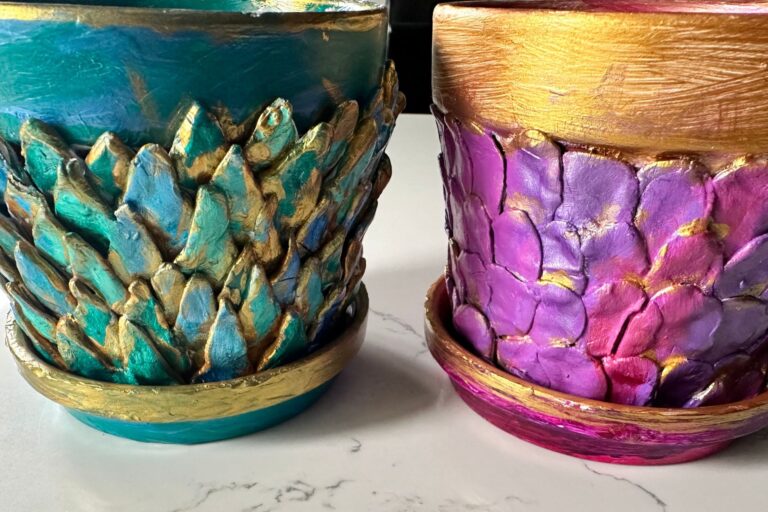
Looking for even more ways to keep your kids engaged? You might be interested in our mermaid terracotta pot craft.
If you love zentangles as much as we do, you’re going to love our zentangle pyramid activity. Click HERE to check it out or click on the images below.

If you’re looking for more activities designed to encourage mindfulness and spark creativity, check out my printable resources below or visit my shop!


Don’t forget to download our free 15 page Mindfulness coloring book to help add a few mindful moments to your child’s day. Just click here or the image below!
