

Table of Contents
How Art Helps Children Express Emotions and Build Confidence
For many parents, STEM education feels like something that belongs in classrooms, science labs, or specialized after-school programs. Yet some of the most valuable STEM learning experiences happen at home, often through simple activities that do not require expensive equipment or advanced technical knowledge.
Among all STEM subjects, coding can seem particularly intimidating. Many adults hear terms such as “variables,” “loops,” “algorithms,” or “constants” and immediately assume that programming is too complicated for young children. In reality, children are often capable of understanding coding concepts much earlier than many parents expect – provided those concepts are introduced in ways that connect to everyday life.
The key is not to start with programming languages or complicated software. Instead, children benefit most when coding ideas are presented through games, creative challenges, storytelling, and hands-on activities. By helping children understand the thinking behind coding, parents can make STEM learning both enjoyable and meaningful.
The good news is that many important coding concepts already exist in children’s daily experiences. Once parents recognize these connections, teaching the foundations of computational thinking becomes much more approachable.
Why Coding Concepts Matter Even Before Children Learn to Code
Most adults forget how hard it is for a child to describe a complex emotion. A five-year-old who feels anxious about starting school probably doesn’t know the word “anxious.” A ten-year-old dealing with friendship problems might not feel safe saying what’s really bothering them.
There’s also the issue of emotional layering. Adults can usually identify when they’re feeling two things at once, like being excited about a trip but also nervous about flying. Children experience the same mix of feelings but rarely have the ability to untangle them on their own. When asked “How are you feeling?”, many kids just say “fine” or “I don’t know” because they truly can’t sort through it in real time.
Drawing and painting seem to help with this. When children make things with their hands, they engage parts of the brain tied to emotional processing and self-regulation. The activity gives feelings somewhere to go, without requiring the right words.
This is part of why art therapy has grown as a field. It’s not just about creating something nice to look at. It’s about giving children a tool they can use when language falls short. And that tool doesn’t require a therapist’s office. It works at the kitchen table, in a classroom, or on the living room floor.
For parents and teachers, that means regular creative time isn’t just a nice break from screens. It’s actually useful. And unlike many other approaches to emotional development, it doesn’t require a specialist or a structured program. A child sitting at a table with a box of colored pencils is already doing the work, even if it doesn’t look like much from the outside.
Here are a few other blog posts and coloring pages you’re going to love:





Check out our Zentangle course!
Are you trying to find ways to incorporate self-care and creativity into your life? Would you like to introduce the Zentangle Method to your children or students but you’re not sure how?
If you answered yes to any of these questions then you’re going to love our new course. If you haven’t had a chance yet to watch the course overview video, check it out below!
Turning Everyday Activities Into STEM Lessons
One of the biggest misconceptions about coding education is that it requires screens. In reality, many coding concepts can be introduced without a computer at all.
Consider the process of following a recipe. A child learns that ingredients must be combined in a specific order. If steps are skipped or completed incorrectly, the final result changes. This mirrors the way programmers create instructions for computers.
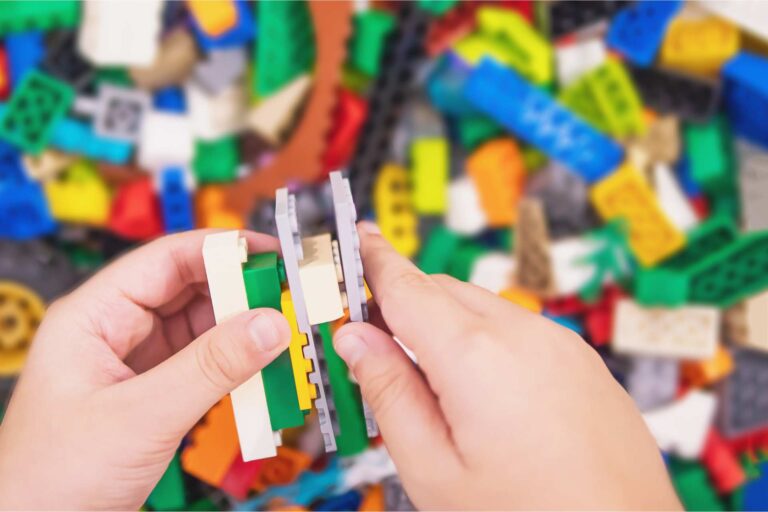
Building with blocks offers another opportunity. Children naturally experiment with patterns, structures, and sequences. They make predictions, test ideas, and adjust their designs when something does not work as expected.
Even simple household routines can reinforce coding principles. Asking a child to explain the steps involved in brushing their teeth, packing a school bag, or preparing a snack encourages sequential thinking, which lies at the heart of programming.
These activities may not look like coding lessons, but they help children develop the same mental habits that programmers use every day.
Helping Children Understand Algorithms Through Play
The word “algorithm” often sounds intimidating, but the concept is remarkably simple.
An algorithm is simply a set of instructions for completing a task.
Children encounter algorithms constantly, even if they do not realize it.
For example, imagine creating a treasure hunt around the house. Rather than simply pointing to the hidden prize, parents can provide step-by-step directions.
Walk ten steps forward.
Turn left.
Look under the chair.
Check inside the basket.
As children follow these instructions, they are essentially executing an algorithm.
A fun extension of this activity involves reversing roles. Children can create their own instructions and challenge parents to follow them exactly. This often leads to laughter when directions are incomplete or unclear, but it also teaches an important lesson about precision and communication.
Children quickly learn that successful instructions must be specific enough for someone else to follow without guessing.
Understanding Loops Through Repetition
One of the first coding concepts many children encounter is the idea of a loop. In programming, loops allow actions to repeat automatically.
Young learners can understand this concept through movement games.
Parents might ask children to jump five times, clap ten times, or walk around a room three times. Instead of giving separate instructions for every action, children learn that a single instruction can be repeated multiple times.
This understanding can also be reinforced through music, dance, and sports activities. Repeating patterns and sequences help children recognize how loops simplify tasks.
Once children understand repetition in physical activities, it becomes much easier to grasp the same idea in coding environments later.

Exploring Variables Through Everyday Objects
Variables are another concept that initially sounds more complicated than it really is.
A variable is simply something that can change.
Children already work with variables constantly. Their age changes every year. The number of toys in a box can change. The amount of water in a cup can increase or decrease.
Parents can create simple games that encourage children to think about changing values. Imagine keeping score during a board game. Every time points are earned, the score changes. That score functions much like a variable in a computer program.
When coding concepts are connected to familiar experiences, children begin to understand them naturally rather than viewing them as abstract technical ideas.
Making Abstract Concepts Easier to Understand
One challenge many parents face is explaining coding vocabulary in language children can understand.
The solution is often to replace technical definitions with concrete examples.
Rather than discussing complex programming theory, parents can focus on relatable situations.
For example, a child’s birthday remains the same throughout a particular year. The number of days in a week remains constant. The color of a stop sign stays the same regardless of who is looking at it.
These examples help children understand ideas that later appear in programming. Parents who want additional examples of how coding vocabulary can be explained in child-friendly language may find resources on coding terms explained for kids useful when introducing foundational concepts at home.
The goal is not memorization. It is helping children connect abstract ideas to real-world experiences.
Why STEM Activities Should Feel Like Play
Children learn best when they are engaged.
Unfortunately, some educational activities become so focused on instruction that they lose the curiosity and excitement that make learning enjoyable.
STEM activities should feel less like lessons and more like opportunities for exploration.
A child building a bridge from craft sticks is experimenting with engineering principles. A child creating a pattern with colored blocks is exploring mathematics. A child giving step-by-step instructions during a game is practicing computational thinking.
None of these experiences require formal lectures.
When children are encouraged to experiment, make predictions, and test ideas, learning becomes far more meaningful.
This approach also helps reduce anxiety. Children become willing to take risks because there is less pressure to find the perfect answer immediately.

Encouraging Problem-Solving Through Open-Ended Challenges
Some of the best STEM activities are those that do not have a single correct solution.
For example, parents might challenge children to build the tallest tower possible using household materials. Another activity could involve creating a system for transporting a small object across a room without touching the floor.
These challenges naturally encourage experimentation.
Children begin testing ideas, evaluating outcomes, and refining their approaches. If something fails, they try again with new information.
This process closely mirrors the way programmers work when creating software. Solutions rarely appear fully formed. Instead, they emerge through repeated cycles of testing and improvement.
By giving children opportunities to solve open-ended problems, parents help them develop resilience and adaptability alongside technical thinking skills.
Common Challenges Parents Face
Many parents worry that they lack the expertise needed to support STEM learning. They may feel uncomfortable with technology or assume that coding requires specialized knowledge.
In most cases, this concern is unnecessary.
Children do not need parents to be experts. They need adults who are willing to explore alongside them.
When parents approach STEM activities with curiosity rather than perfection, they model an important lesson: learning is a lifelong process.
Another common challenge is maintaining a child’s interest. Some children become frustrated when activities feel too difficult.
The solution is often to start smaller than expected.
Simple activities that build confidence tend to be more effective than ambitious projects that create frustration. Success encourages continued exploration, while repeated failure can discourage participation.
Building a STEM-Friendly Environment at Home
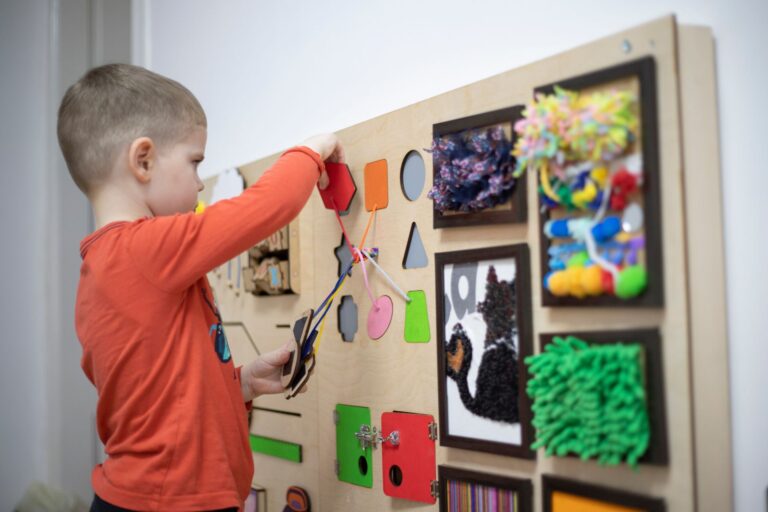
Creating a supportive environment for STEM learning does not require transforming a home into a laboratory.
What matters most is fostering curiosity.
Children should feel comfortable asking questions, exploring ideas, and making mistakes. When adults respond positively to experimentation, children become more willing to investigate how things work.
Parents can encourage this mindset by asking open-ended questions.
What do you think will happen?
Why do you think that happened?
How could we improve it?
What would you try differently next time?
Questions like these promote critical thinking and encourage children to become active participants in the learning process.
Over time, children begin asking these questions themselves.
Looking Beyond Technology
Although coding often serves as the gateway to STEM education, its benefits extend well beyond technology.
Children who learn coding concepts develop skills that support success in many areas of life. They become more comfortable solving problems, thinking creatively, and working through challenges systematically.
These abilities are valuable whether a child eventually becomes a scientist, teacher, artist, engineer, entrepreneur, or healthcare professional.
What matters is not mastering a specific programming language at a young age. What matters is developing the confidence to explore, experiment, and learn.
Conclusion
Introducing coding concepts at home does not require advanced technical skills or expensive equipment. In fact, many of the most effective STEM activities involve everyday situations that children already understand.
By connecting coding ideas to familiar experiences, parents can help children develop logical thinking, creativity, and problem-solving skills in ways that feel natural and enjoyable. Activities involving instructions, repetition, patterns, and experimentation provide a strong foundation for future learning while encouraging curiosity and confidence.
Perhaps most importantly, these experiences show children that STEM is not simply a collection of academic subjects. It is a way of thinking about the world, asking questions, and discovering solutions. When learning feels like exploration rather than obligation, children are far more likely to develop a lasting interest in both technology and lifelong learning.
Here are some other activities that you’ll want to check out!:
Looking for even more ways to keep your kids engaged? You might be interested in our FREE Easter coloring pages. Just click HERE or on the image below to learn more.

If you love zentangles as much as we do, you’re going to love our zentangle pyramid activity. Click HERE to check it out or click on the images below.

If you’re looking for more activities designed to encourage mindfulness and spark creativity, check out my printable resources below or visit my shop!

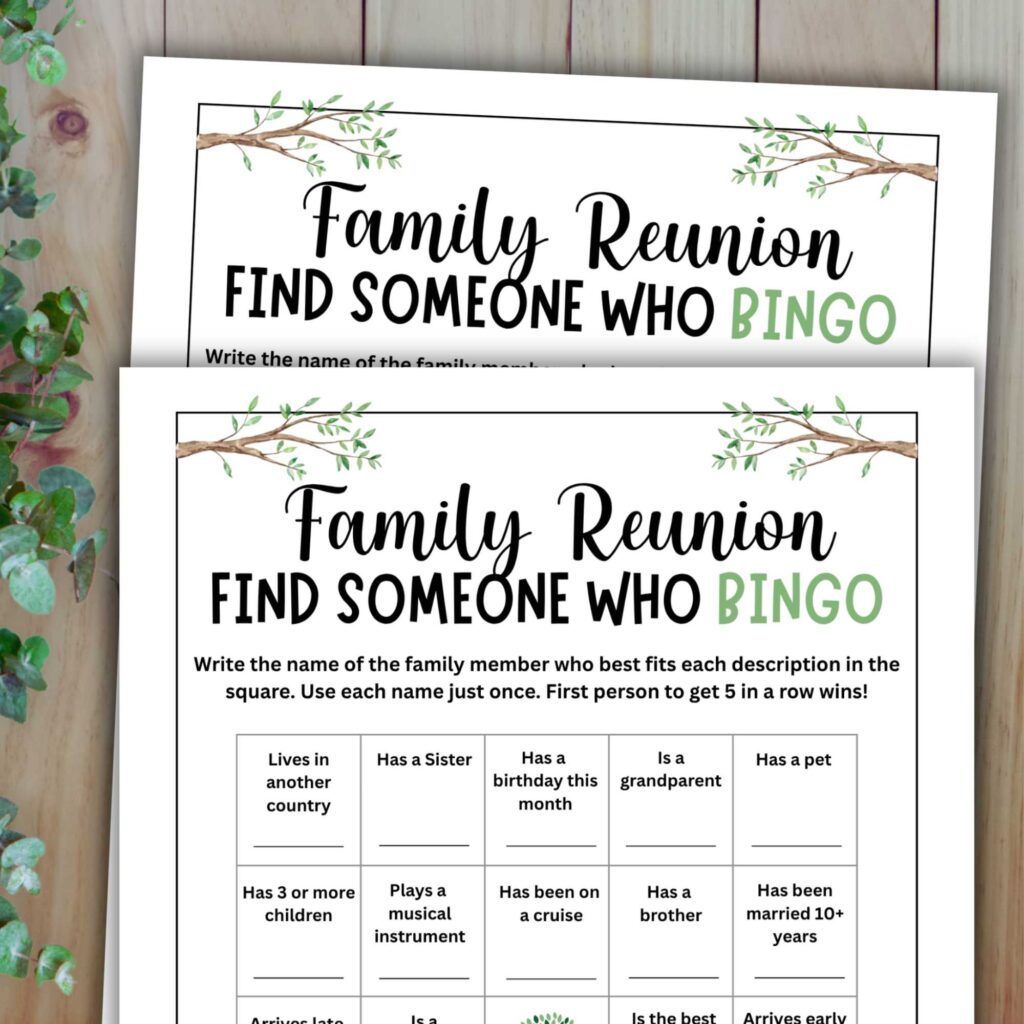


Don’t forget to download our free 15 page Mindfulness coloring book to help add a few mindful moments to your child’s day. Just click here or the image below!
