
Table of Contents
5 Creative Things Children Can Do at Home
Keeping children busy at home can sometimes feel like a challenge, especially when they have lots of energy and want something new to do. The good news is that home can be full of creative opportunities. Children do not always need expensive toys or complicated activities to have fun. With simple materials, a little guidance, and space to imagine, they can enjoy many creative activities while also learning useful skills.
Creative activities are important because they help children express their feelings, build confidence, improve focus, and develop fine motor skills. They also give children a healthy way to spend time away from screens. Whether your child loves drawing, coloring, building, crafting, or telling stories, there are many enjoyable things they can do right at home.
Here are five creative things children can do at home.
1. Drawing and Painting
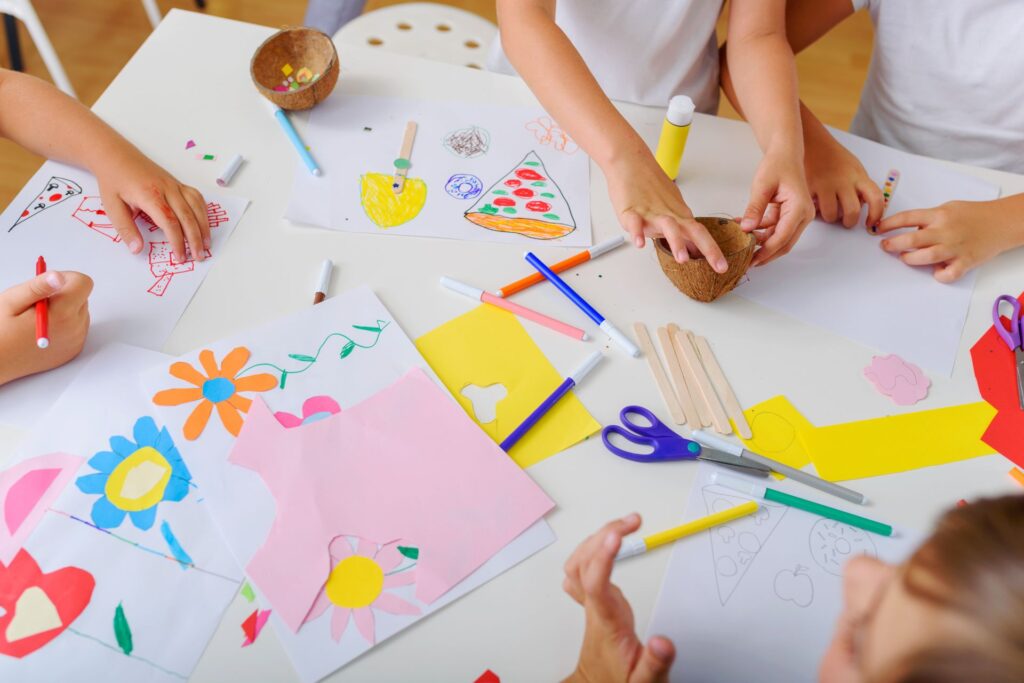
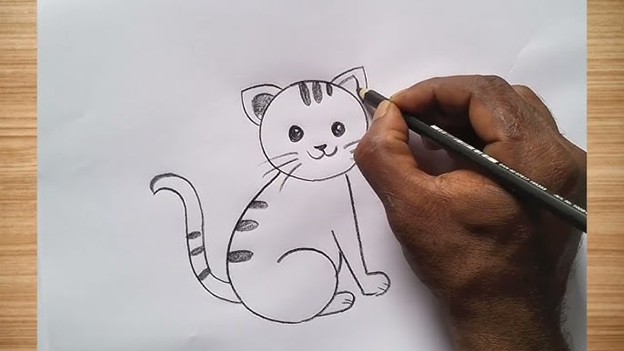
Drawing and painting are classic creative activities that children of almost any age can enjoy. All they need are basic supplies such as paper, pencils, crayons, markers, or watercolor paints. Children can draw animals, family members, houses, flowers, superheroes, or anything they imagine.
This activity is more than just fun. Drawing helps children improve hand control, focus, and visual thinking. Painting allows them to explore colors, shapes, and textures. It also gives them the freedom to make choices, such as which color to use or what picture to create.
Parents can make drawing and painting even more interesting by giving children simple themes. For example, ask them to draw “my dream house,” “a magical garden,” or “my favorite animal.” You can also create a small art corner at home where children can keep their supplies and display their artwork.
The goal is not to make a perfect picture. The goal is to let children enjoy the process. When adults praise effort instead of perfection, children feel more confident and excited to keep creating.
2. Coloring Books for Relaxing Creativity
Coloring books are one of the easiest and most enjoyable creative activities for children at home. They are simple to use, do not require much preparation, and can keep children happily focused for a long time. Coloring is also a calming activity, which makes it a great choice for quiet afternoons, rainy days, or bedtime wind-down time.
Coloring books help children practice many useful skills. They learn color recognition, improve hand-eye coordination, and strengthen the small muscles in their hands. These skills are important for writing, drawing, and other school activities. Coloring inside lines can also help children develop patience and concentration.
Another wonderful thing about coloring books is that they come in many themes. Children can choose animals, nature, fairy tales, vehicles, alphabet pages, fantasy characters, and more. This makes it easy to find something that matches a child’s interests.
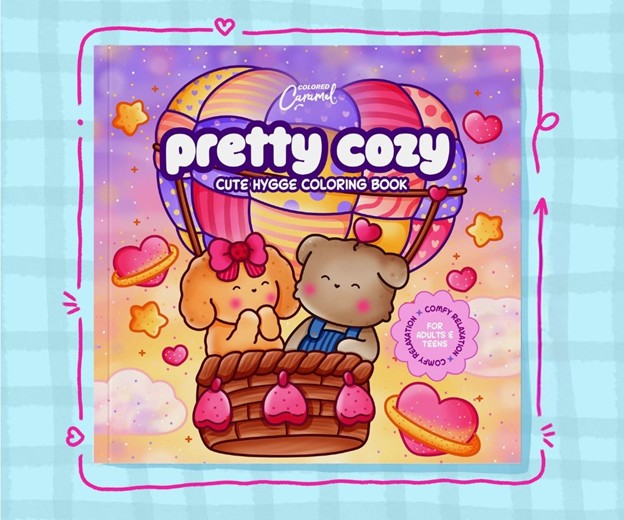
Platforms like Colored Caramel offer coloring book products that can make this activity even more exciting for kids. When children have coloring books with fun and engaging designs, they are more likely to enjoy the activity and spend meaningful time being creative.
Parents can also join in. Coloring together can become a relaxing family activity. You can talk about colors, ask your child why they chose certain shades, or encourage them to create a story about the picture they are coloring. This turns a simple coloring page into a fun moment of connection.
Here are a few other blog posts and coloring pages you’re going to love:



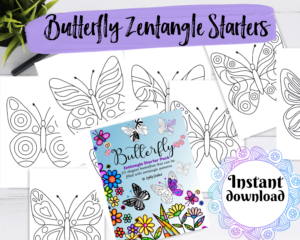
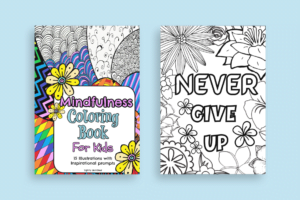
Check out our Zentangle course!
Are you trying to find ways to incorporate self-care and creativity into your life? Would you like to introduce the Zentangle Method to your children or students but you’re not sure how?
If you answered yes to any of these questions then you’re going to love our new course. If you haven’t had a chance yet to watch the course overview video, check it out below!
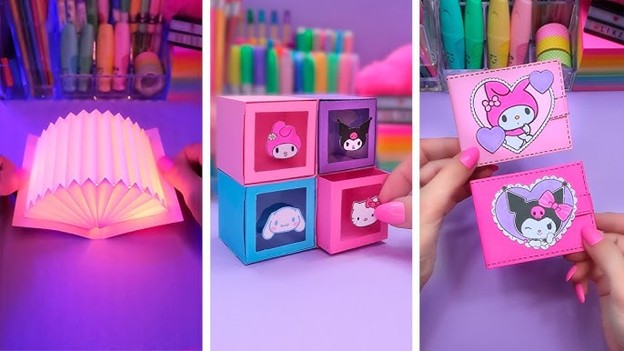
3. DIY Crafts with Household Items
Children love making things with their hands, and DIY crafts are perfect for this. The best part is that many craft materials are already available at home. Paper, cardboard boxes, empty tissue rolls, buttons, yarn, fabric scraps, old magazines, glue, and child-safe scissors can all become creative tools.
Children can make paper animals, greeting cards, masks, bookmarks, simple decorations, or recycled robots. A cardboard box can become a car, a castle, a shop, or a spaceship. Old magazines can be used for collage art. Paper plates can become funny faces or colorful birds.
DIY crafts help children think creatively and solve problems. For example, if they want to build a house from cardboard, they must think about walls, doors, windows, and how to make everything stand. This encourages planning and imagination.
Crafting also teaches children that old items can be reused in new ways. This is a simple way to introduce recycling and care for the environment. Instead of throwing materials away, children learn to turn them into something beautiful or useful.
Parents should choose age-appropriate crafts and supervise activities that involve scissors, glue, or small objects. The activity does not need to be perfect. A messy, handmade craft often shows a child’s imagination better than a neat one.
4. Storytelling and Puppet Shows
Storytelling is a wonderful way for children to use their imagination. They can create stories about animals, magical places, brave heroes, funny families, or adventures in space. Storytelling helps children build language skills, improve memory, and express ideas clearly.
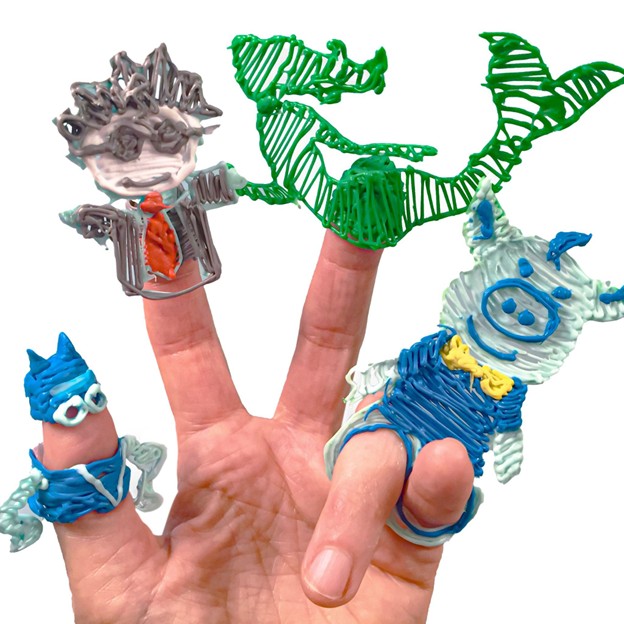
One fun way to make storytelling more exciting is through puppet shows. Children can make simple puppets using socks, paper bags, craft sticks, or paper cutouts. Then they can create characters and act out a story. For example, a sock can become a talking dog, a paper bag can become a king, and a craft stick character can become a fairy.
Parents can encourage children by asking simple questions: “What happens next?” “Who is the main character?” “Where does the story take place?” These questions help children think more deeply and organize their ideas.
Puppet shows are also great for building confidence. Some children may feel shy speaking in front of others, but using a puppet can make it easier and more playful. They can use different voices, act out emotions, and perform for family members.
This activity can be done alone, with siblings, or with parents. It creates laughter, learning, and special memories at home.
5. Building and Imaginative Play
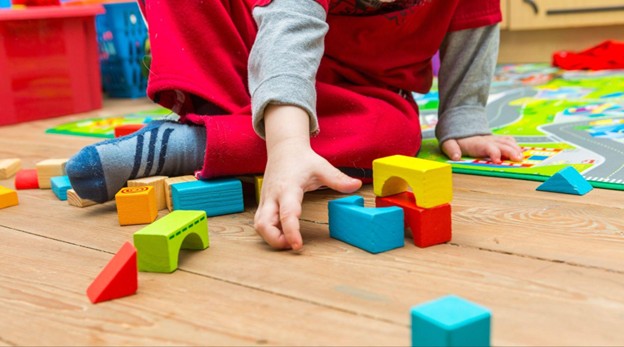
Building and imaginative play allow children to create their own little worlds. They can use blocks, pillows, blankets, cushions, cardboard boxes, or building toys. A few pillows can become a castle. A blanket over chairs can become a tent. Blocks can become a city, zoo, farm, or tower.
This type of play supports problem-solving and creative thinking. When children build something, they learn about balance, shape, size, and structure. If a tower falls, they try again and learn what works better. This builds patience and resilience.
Imaginative play is also important for social and emotional development. Children can pretend to be doctors, teachers, shopkeepers, chefs, astronauts, or explorers. Through pretend play, they practice communication, decision-making, and empathy.
Parents can support this activity by giving children simple props and enough space to play safely. You do not need to direct everything. Sometimes it is best to let children lead the activity and create their own rules.
Final Thought
Creative activities at home can be simple, affordable, and full of learning. Drawing, painting, coloring books, DIY crafts, storytelling, puppet shows, building, and pretend play all help children grow in different ways. These activities improve imagination, focus, confidence, and problem-solving skills.
Most importantly, they make home time more joyful. Children do not need perfect materials or perfect results. They need encouragement, freedom, and the chance to explore their ideas. With a little creativity, every home can become a place for fun, learning, and imagination.
Here are some other activities that you’ll want to check out!:
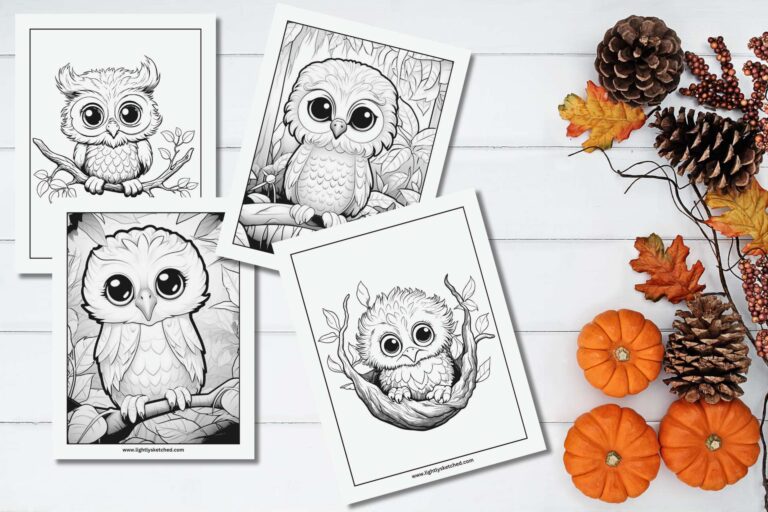
Looking for even more ways to keep your kids engaged? You might be interested in our 30 FREE owl coloring pages. Just click HERE or on the image below to learn more.
If you love zentangles as much as we do, you’re going to love our zentangle pyramid activity. Click HERE to check it out or click on the images below.

If you’re looking for more activities designed to encourage mindfulness and spark creativity, check out my printable resources below or visit my shop!



Don’t forget to download our free 15 page Mindfulness coloring book to help add a few mindful moments to your child’s day. Just click here or the image below!
