
Table of Contents
How Art Helps Children Express Emotions and Build Confidence
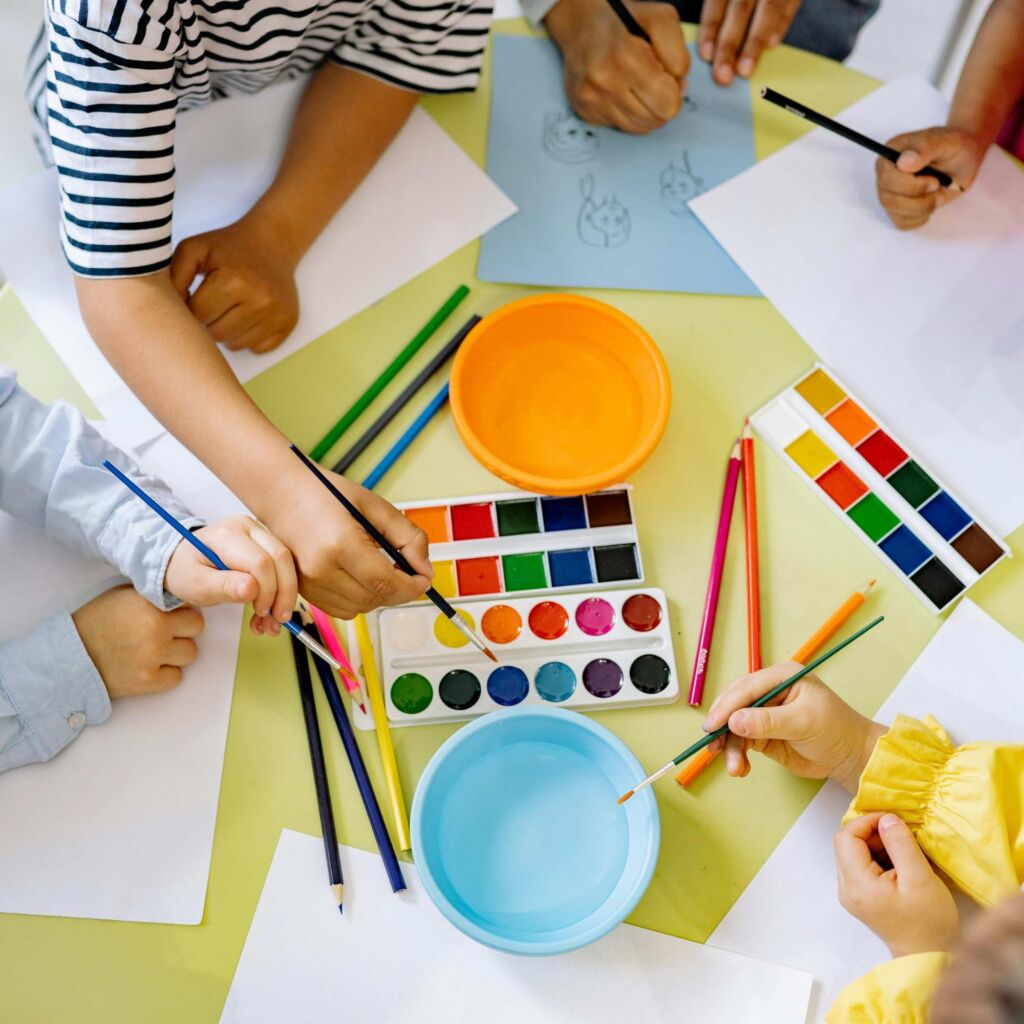
Children feel big emotions every day. Joy, frustration, sadness, excitement. But unlike adults, kids often lack the words to describe what they’re feeling. Art gives them another way in.
Whether it’s scribbling with crayons, painting with watercolors, or working through a guided sketchbook, making things gives kids a way to communicate without pressure. They can explore what’s going on inside without having to name it.
This isn’t a new idea, but it’s one that keeps proving itself. Teachers, therapists, and parents all report the same thing: when you hand a child art supplies and give them space, something shifts. The tension drops. The walls come down. And what comes out on paper often tells you more than a conversation would.
The good news is that you don’t need a background in art education to make this work. You don’t need expensive materials or a dedicated studio room. What matters most is consistency and intention. A regular time, a few simple supplies, and the willingness to let a child create without judgment can go a long way.
Why Children Struggle to Talk About Their Feelings
Most adults forget how hard it is for a child to describe a complex emotion. A five-year-old who feels anxious about starting school probably doesn’t know the word “anxious.” A ten-year-old dealing with friendship problems might not feel safe saying what’s really bothering them.
There’s also the issue of emotional layering. Adults can usually identify when they’re feeling two things at once, like being excited about a trip but also nervous about flying. Children experience the same mix of feelings but rarely have the ability to untangle them on their own. When asked “How are you feeling?”, many kids just say “fine” or “I don’t know” because they truly can’t sort through it in real time.
Drawing and painting seem to help with this. When children make things with their hands, they engage parts of the brain tied to emotional processing and self-regulation. The activity gives feelings somewhere to go, without requiring the right words.
This is part of why art therapy has grown as a field. It’s not just about creating something nice to look at. It’s about giving children a tool they can use when language falls short. And that tool doesn’t require a therapist’s office. It works at the kitchen table, in a classroom, or on the living room floor.
For parents and teachers, that means regular creative time isn’t just a nice break from screens. It’s actually useful. And unlike many other approaches to emotional development, it doesn’t require a specialist or a structured program. A child sitting at a table with a box of colored pencils is already doing the work, even if it doesn’t look like much from the outside.
Here are a few other blog posts and coloring pages you’re going to love:



Check out our Zentangle course!
Are you trying to find ways to incorporate self-care and creativity into your life? Would you like to introduce the Zentangle Method to your children or students but you’re not sure how?
If you answered yes to any of these questions then you’re going to love our new course. If you haven’t had a chance yet to watch the course overview video, check it out below!
The Connection Between Creativity and Mindfulness
Mindfulness-based art activities have become more common in children’s mental health settings over the past decade. Pattern drawing, guided coloring, and structured doodling all work on a similar principle: slow down, focus on what’s in front of you, and let the racing thoughts settle.
This is easier for most kids than traditional meditation. They don’t have to sit still with their eyes closed. They can move, make noise, and end up with something they can hold.
There’s a reason coloring books for adults took off a few years ago. The same calming effect that works for grown-ups works even better for children, because kids are naturally inclined to create. They don’t overthink it the way adults do. They just start. And once they start, they tend to stay with it longer than most adults expect. A child who can’t sit through a five-minute breathing exercise will happily spend half an hour filling in a detailed pattern without looking up once.
What makes mindful art different from regular art class is the intention behind it. The goal isn’t to produce a specific outcome. It’s to be present during the process. A child who spends 20 minutes filling in a pattern isn’t just coloring. They’re practicing focus, patience, and emotional regulation, all without knowing they’re doing it.
There’s also no right answer. A child doesn’t need talent to benefit from drawing. The point isn’t the finished picture.
How to Set up a Creative Space at Home
Getting started doesn’t require a lot of money or space, but removing friction helps. One of the main reasons kids skip creative activities is feeling overwhelmed before they even begin. Too many options, no clear starting point, and the moment passes.
A few things that help:
Keep supplies where kids can see them. Art materials in a closet don’t get used. A small table or a corner of a desk with basic supplies nearby makes it easy to sit down and start. Some families keep a tray or a small box of basics on the counter, the same way you might leave a fruit bowl out. When it’s visible, it gets used.
Start with guided activities. Open-ended time is fine once a habit forms, but beginners usually need a starting point. Guided sketchbooks or step-by-step drawing pages take the pressure off the blank page. Kids who say “I don’t know what to draw” almost always do fine once you give them a prompt or a first step.
Make it a routine. Art time works better when it’s just part of the day, not something that happens after everything else is done. Even 15 minutes before bed can become something kids look forward to. It also works well as a transition activity, like after school when kids need to decompress before homework or dinner. The key is that it doesn’t feel like an event. It should feel as normal as brushing teeth or reading before bed.
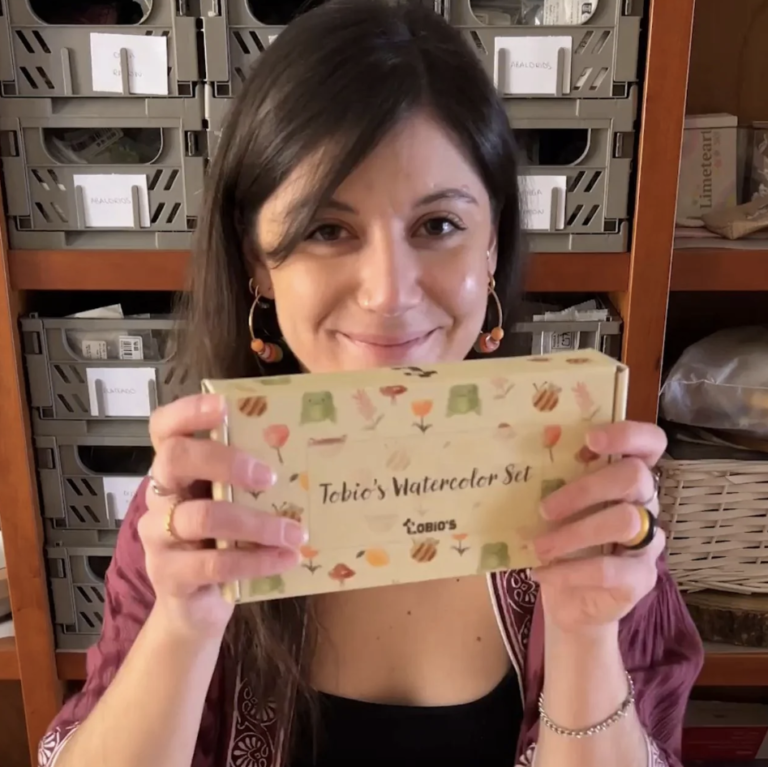
Consider a complete kit. Tobios Kits sells beginner sets that include workbooks, sketchbooks, brushes, and the other basics. Having everything in one place means less time gathering supplies and more time actually using them. For parents who aren’t sure what to buy or where to start, a ready-to-go set removes the guesswork entirely.
What to Look for in Art Activities for Emotional Growth
Not every creative activity serves the same purpose. If the goal is emotional expression, it helps to pick projects that invite reflection rather than technical skill.
Some options that work well: self-portrait projects, where kids think about how they see themselves; emotion wheels, where children assign colors to different feelings; nature journaling, which combines drawing with time outside; and collaborative projects that involve working with someone else.
Another option that works surprisingly well is “draw your day” journaling. At the end of the day, a child draws one thing that happened and one feeling they had. Over time, this builds a visual diary that helps them recognize patterns in their emotions. It also gives parents and caregivers a window into how a child is processing their experiences, without putting them on the spot with direct questions.
For younger children, simple activities like finger painting, tearing and gluing colored paper, or drawing to music can be enough. The sensory experience matters just as much as the visual result. Feeling the paint between their fingers or hearing the sound of a crayon on paper keeps them grounded in the moment.
The most important shift is in how adults respond to the finished work. Instead of asking “What is it?”, try “How did it feel to make this?” or “What were you thinking about while you were drawing?” That small change tells a child that the process had value, regardless of what it looks like.
Common Mistakes Parents Make with Kids and Art
Even with the best intentions, adults sometimes get in the way of a child’s creative process. A few things worth avoiding:
Correcting their work. If a child draws a purple dog, the dog is purple. Pointing out that dogs aren’t purple teaches them that there’s a right way to create, which is the opposite of what you want when the goal is emotional expression.
Comparing their work to other kids. “Look how nice Sarah’s drawing is” might seem like motivation, but it usually has the opposite effect. Children stop creating freely when they think they’re being judged.
Making it about the product. Framing art time as “let’s make something for Grandma” or “we need to finish this for school” turns it into a task with expectations. That’s fine sometimes, but it shouldn’t be the default. The most emotionally valuable creative time is the kind with no audience and no deadline.
Hovering or directing too much. Sitting next to a child and guiding every step might feel supportive, but it often takes away their sense of ownership. Try setting them up with supplies, saying “I’m here if you need me,” and stepping back. You might be surprised by what they come up with on their own.
Asking them to explain too early. Some children need time to sit with what they’ve made before they can talk about it. If a child finishes a drawing and seems quiet, let them be. The conversation can happen later, or not at all. The art did its job whether or not it gets discussed.
The Long-term Effects of Early Creative Habits
Children who draw and make things regularly tend to carry those habits into adolescence. Research has linked consistent creative engagement in childhood with stronger emotional intelligence and better ability to manage stress. The causal direction isn’t always clean, but the pattern shows up often enough to be worth paying attention to.
There’s also a social dimension. Kids who grow up making things tend to be better at expressing themselves in groups, whether that’s in a classroom discussion or a team project. The practice of turning an internal feeling into something external, which is what art does at its core, builds a communication skill that applies far beyond the canvas.
And it’s not just about emotional skills. Regular creative practice has been connected to stronger problem-solving abilities, better spatial reasoning, and even improved academic performance in areas like reading and math. The theory is that creative thinking builds neural pathways that support flexible thinking across other domains. In other words, a child who spends time drawing is also training their brain to approach challenges from different angles.
The harder-to-measure benefit is confidence. When a child makes something from nothing, and an adult treats that as worth doing, it changes how they think about their own ideas. That effect tends to outlast the art itself.
For families already exploring mindfulness or emotional expression, structured creative tools can add to what’s working. For those just starting out, you don’t need any background in art. You just need to make the supplies available and get out of the way. The barrier to entry is almost zero. Unlike sports, music lessons, or tutoring, creative time at home costs very little and requires no scheduling. It just needs to happen.
When to Consider More Structured Support
For most children, regular creative time at home or school is enough. But some kids may benefit from more structured support, especially if they’re going through a particularly difficult time. If a child suddenly stops wanting to create, or if their artwork consistently reflects themes of sadness, anger, or fear, it might be worth talking to a school counselor or a therapist who specializes in working with children.
Art therapy, which is different from art class, is led by trained professionals who use creative activities as a clinical tool. It can be especially helpful for children who have experienced trauma, loss, or major life changes like a move or a divorce. But for the majority of kids, the kind of informal creative time described in this article is more than enough to support healthy emotional development.
Start Small
A sketchbook and some pencils are enough. Kids don’t need a perfect setup or the best materials. They need time and permission to make something without it being graded or corrected.
The goal isn’t to raise an artist. It’s to give a child one more way to understand themselves and the world around them. That’s something every kid deserves, regardless of talent or interest level.
You might find that once the habit forms, your child starts reaching for their supplies on their own. Before school, after a tough day, or just because they feel like it. That’s the moment you know it’s working. Not because they made something beautiful, but because they chose to make something at all.
Start there. The rest tends to follow.
Here are some other activities that you’ll want to check out!:
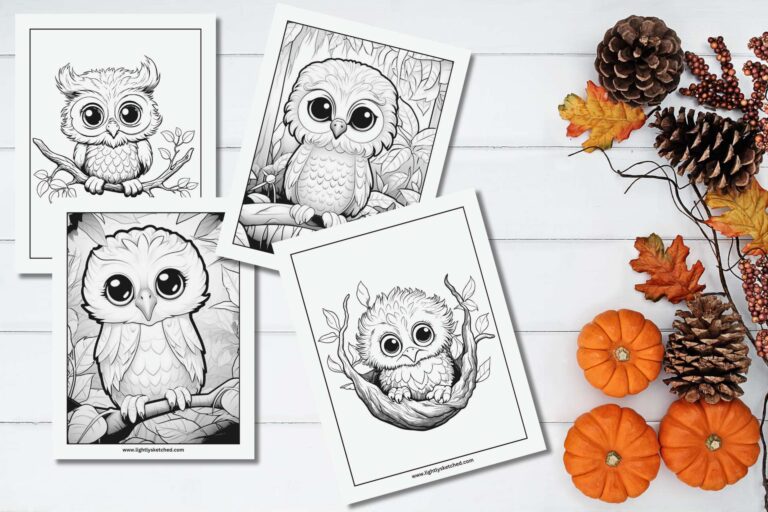
Looking for even more ways to keep your kids engaged? You might be interested in our 30 FREE owl coloring pages. Just click HERE or on the image below to learn more.
If you love zentangles as much as we do, you’re going to love our zentangle pyramid activity. Click HERE to check it out or click on the images below.

If you’re looking for more activities designed to encourage mindfulness and spark creativity, check out my printable resources below or visit my shop!

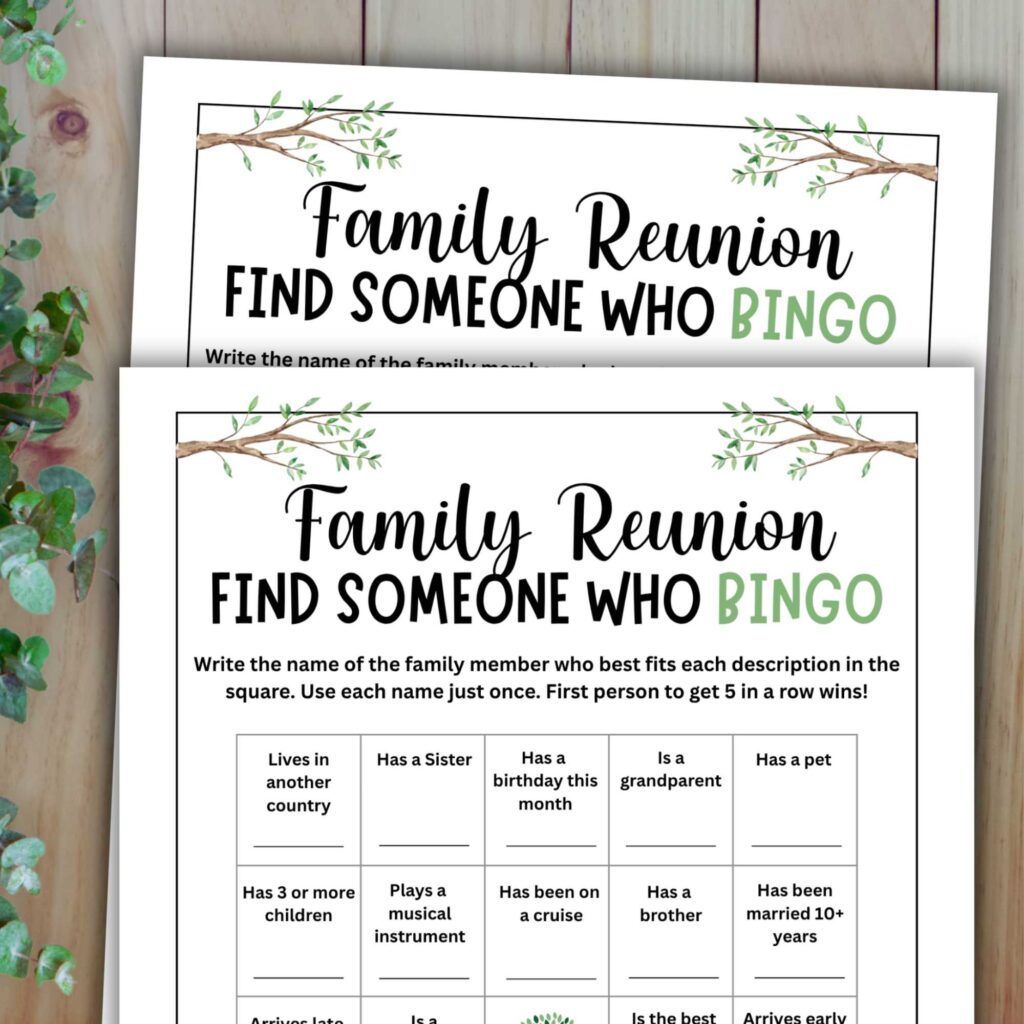


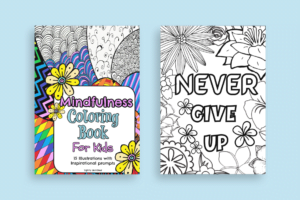
Don’t forget to download our free 15 page Mindfulness coloring book to help add a few mindful moments to your child’s day. Just click here or the image below!
