
Table of Contents
Sustainable Materials in Educational Furniture: A Greener Future
Want to see the future of classroom design?
Classrooms across the globe are undergoing a revolution. They are phasing out toxic materials and low-cost, low-quality furniture that ends up in landfills after just a few years. In their place, schools are investing in furniture made from sustainable materials that are built to last longer, cost less over time, and are better for the planet our students will inherit.
Here’s the real deal though…
Traditional classroom furniture is costing schools thousands in replacement costs year after year. But there’s a better way forward.
In this blog, we’ll cover:
- Why Sustainable Materials Matter For Schools
- The Top Sustainable Materials Revolutionizing Classrooms
- How Schools Save Money With Eco-Friendly Furniture
- Making The Switch: What You Need To Know
Why Sustainable Materials Matter For Schools
Sustainable furniture is no longer a nice-to-have option. It’s becoming a necessity in modern educational spaces.
Think about it — students spend over 1,000 hours per year sitting in classrooms. The furniture and materials that surround them have a direct impact on their health and learning experience. Traditional classroom furniture is often made with harmful chemicals, finishes, and VOCs that pollute the air and contribute to health problems.
When schools partner with a trusted school furniture from UK Educational supplier who prioritizes sustainability, they gain access to furniture made from renewable resources, recycled content, and non-toxic finishes. This benefits both students and the planet.
Statistics show that over 40% of new products now include sustainable materials, reflecting just how quickly the educational furniture industry is shifting. Schools that have made the transition report improvements in:
- Air quality — reduced chemicals means healthier classroom environments
- Durability — sustainable materials are often longer lasting than cheaper alternatives
- Student wellbeing — better materials = better learning experiences
Impressive, right?
The Top Sustainable Materials Revolutionizing Classrooms
Now let’s dive into the specific materials that are gaining popularity in schools today.
Bamboo: The Fast-Growing Champion
If you haven’t heard, bamboo is killing it in the educational furniture market right now.
Why is that? Bamboo grows insanely fast — up to 36 inches per day. Compare that to traditional hardwoods that can take decades to mature and you can see why it’s so popular.
Schools are using bamboo for everything from desks and storage units to chairs. It’s strong, lightweight, naturally antimicrobial, and perfect for busy classrooms.
Recycled Plastics & Metals
This one might surprise you but hear us out…
Recycled materials can perform just as well as virgin materials. Many schools are now incorporating furniture made from recycled plastics and metals without sacrificing quality or durability.
It’s a great way to reduce waste and give materials a second life instead of sending them to landfills.
Reclaimed & FSC-Certified Wood
There’s something about reclaimed wood that adds character while reducing the need for new timber. And FSC-certified wood gives schools the assurance that any new wood is coming from responsibly managed forests.
Both are fantastic options for beautiful, long-lasting furniture that doesn’t contribute to deforestation.
How Schools Save Money With Eco-Friendly Furniture
Hold up, what do the numbers say?
The eco-friendly furniture market is growing from $43.6 billion in 2024 to a whopping $100.4 billion by 2034 at an astounding rate of growth. Schools are jumping on the sustainable furniture bandwagon for more than just environmental reasons — they’re doing it because it actually makes financial sense.
Here’s how the numbers break down:
Cheap traditional furniture might be tempting to buy upfront. But it typically lasts only 2-3 years before needing replacement. Schools end up constantly paying to replace old furniture.
Sustainable furniture is more expensive initially but lasts much longer. Some pieces can last 10-15 years or more with proper care. In the long run, the cost savings are substantial.
Plus there are hidden savings to consider too:
- Lower maintenance costs — high-quality materials require less repair
- Reduced replacement frequency — durable furniture needs replacing less often
- Better resale value — sustainable furniture retains its value longer
Wait, there’s more…
Many eco-friendly furniture options are modular and easily repairable. If a component breaks, schools can just replace that part rather than the whole piece. That saves both money and waste.
Here are a few other blog posts and coloring pages you’re going to love:




Check out our Zentangle course!
Are you trying to find ways to incorporate self-care and creativity into your life? Would you like to introduce the Zentangle Method to your children or students but you’re not sure how?
If you answered yes to any of these questions then you’re going to love our new course. If you haven’t had a chance yet to watch the course overview video, check it out below!
Making The Switch: What You Need To Know
Migrating to sustainable furniture isn’t hard, but it does take planning.
Schools need a strategy in place. Some opt for gradual replacement — swapping old furniture as it wears out or breaks. Others go for a full classroom overhaul when renovating.
Both approaches work, but this is where it gets interesting…
Look for suppliers with transparent sourcing. Can they tell you exactly where the materials come from and how the furniture is made? Certifications like FSC, GREENGUARD, GOTS, and others are good indicators of true sustainability.
Also consider the full lifecycle of the furniture. How long will it last? Can it be repaired? What happens at the end of life? Best-in-class sustainable furniture is designed with all of these questions in mind.
Don’t neglect ergonomics either. 54% of schools are investing in ergonomic furniture and sustainable options should be just as supportive of student health and comfort.
Work with suppliers who “get” schools. They should understand classroom dynamics, safety requirements, and the unique challenges educational environments present.
The Impact On Learning Environments
Eco-friendly furniture is more than just good for the environment. It’s good for learning.
When classrooms are filled with high-quality, non-toxic furniture and materials, students breathe better air, focus easier, and have a more pleasant learning experience. Teachers also appreciate furniture that’s built to last and easy to maintain.
The psychological benefits are not to be underestimated either. Students growing up in spaces that are environmentally responsible and sustainable learn by example. They see their schools making responsible choices which reinforces the importance of sustainable behavior.
Schools investing in sustainable furniture become community role models. Parents take notice. Students take notice. And it sends a powerful message to the whole community about values and priorities.
Final Thoughts
The transition to sustainable materials in educational furniture is happening — not in the future, but right now.
Schools have a unique opportunity to lead by example. By investing in eco-friendly furniture made from bamboo, recycled materials, reclaimed wood, FSC-certified wood, and other sustainable options, they are making a difference for healthier classrooms and a brighter future.
It’s a win-win:
- Healthier learning environments with less toxic materials
- Long-term cost savings through better durability and reduced replacements
- Positive environmental impact by reducing waste and supporting sustainability
- Better student outcomes in spaces designed for wellbeing
Don’t wait for the “perfect” time to start. Every single sustainable furniture purchase makes a difference. Start with one classroom or go the whole school. The impact is tangible and lasting.
The future of education is sustainable. And it all starts with the furniture choices schools make today.
Here are some other activities that you’ll want to check out!:
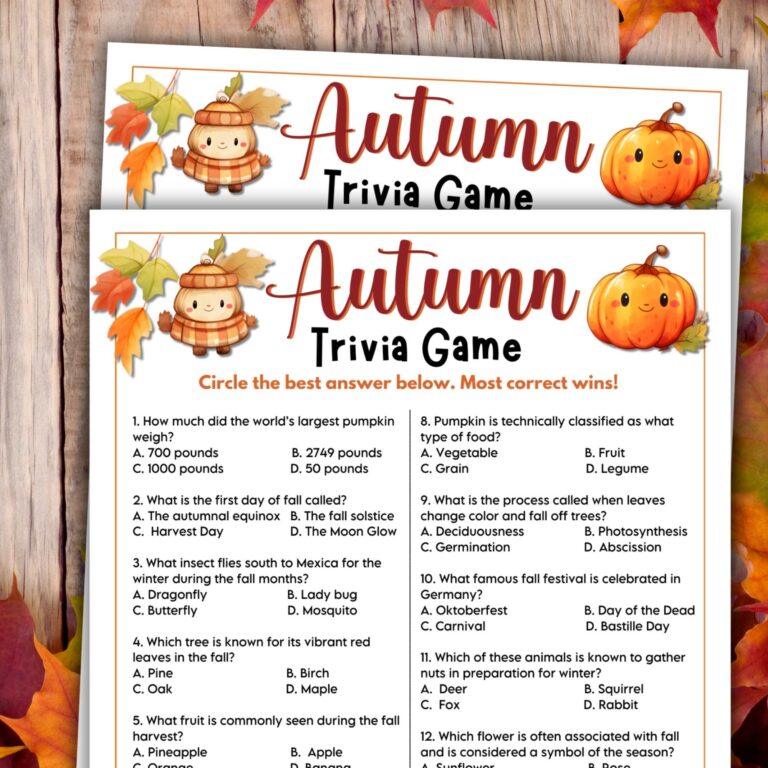
Looking for even more ways to keep your kids engaged? You might be interested in our Autumn Trivia game. Just click HERE or on the image below to learn more.
If you love zentangles as much as we do, you’re going to love our zentangle pyramid activity. Click HERE to check it out or click on the images below.

If you’re looking for more activities designed to encourage mindfulness and spark creativity, check out my printable resources below or visit my shop!


Don’t forget to download our free 15 page Mindfulness coloring book to help add a few mindful moments to your child’s day. Just click here or the image below!
